

Press Releases
Ranking Member Angie Craig Statement on House Farm Bill Vote
Washington,
April 30, 2026
|
Britton T. Burdick
Tags:
Full Committee
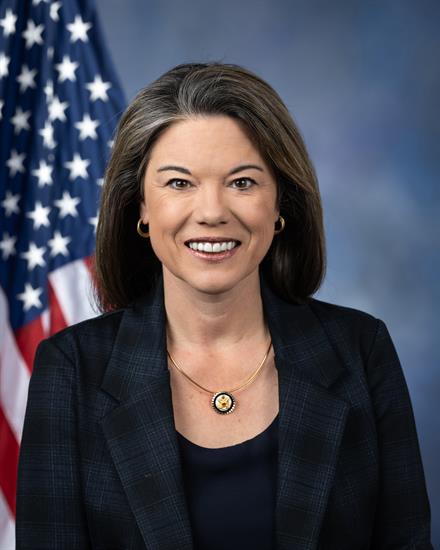
Today, House Agriculture Committee Ranking Member Angie Craig (MN-02) released the below statement following the House vote to pass the Republicans’ so-called “skinny farm bill.” “American farmers and working people are struggling to make ends meet. Whether it’s twice as expensive to fill up your tractor or twice as expensive at the grocery checkout, Americans can feel how tariffs, war with Iran and massive cuts to food assistance are making hard economic times even worse. The so-called farm bill that passed the House today does nothing to resolve high input costs, lost markets, surging food prices or provide a single penny in economic assistance to struggling family farmers. “That said, thanks to the tremendous work of House Democrats, we defeated the Republican effort to shield pesticide companies from legal liability when their chemicals make consumers sick. “Now, our hope turns to the Senate, where I encourage Democratic and Republican members to work together to deliver for farmers and working people. America needs a bipartisan, five-year, 12-title farm bill that meets the moment. The farmers who feed, fuel and clothe our country need our support, not lip service.”
Background The so-called “skinny farm bill” falls short by: · Locking in a $187 billion cut to the Supplemental Nutrition Assistance Program (SNAP) at a time when grocery prices are surging. · Rubberstamping Trump’s tariffs, which are shutting American farmers out of export markets and pushing our trade partners into the arms of agricultural competitors like Argentina and Brazil. · Neglecting to provide additional farm aid, despite tens of billions of losses suffered because of Trump’s trade wars. · Cutting the Environmental Quality Incentives Program (EQIP) by $1 billion. · Overturning the will of voters who chose to set animal welfare and food product standards in their states. |